Back in the 1970s, I enjoyed lunch in an Australian outback restaurant with two guy friends and my best friend, Carol. We ate on the family-friendly side of the establishment, not in the pub which, even then, was primarily a male venue.
Out of nowhere, a fight broke out and a man flew across the table directly beside ours. A product of the New Jersey suburbs, I was appalled.
The guys continued eating, undisturbed. Fights happen. “What would you want them to do?” one asked.
“Take it outside,” I insisted, “to an alley.”
They laughed. “That would be stupid. There’s no one out there to stop it.”
I lived in the mining town, Mt. Isa, in Queensland for eighteen months and saw only a handful of fights. But in nineteenth-century America, this behavior was typical.
Groups of young men known as Jolly Fellows enjoyed a lifestyle of brawling, heavy drinking, gambling, and playing pranks. While not all of the male population partook, those who did could be white or black, from the lower classes or white-collar sorts.
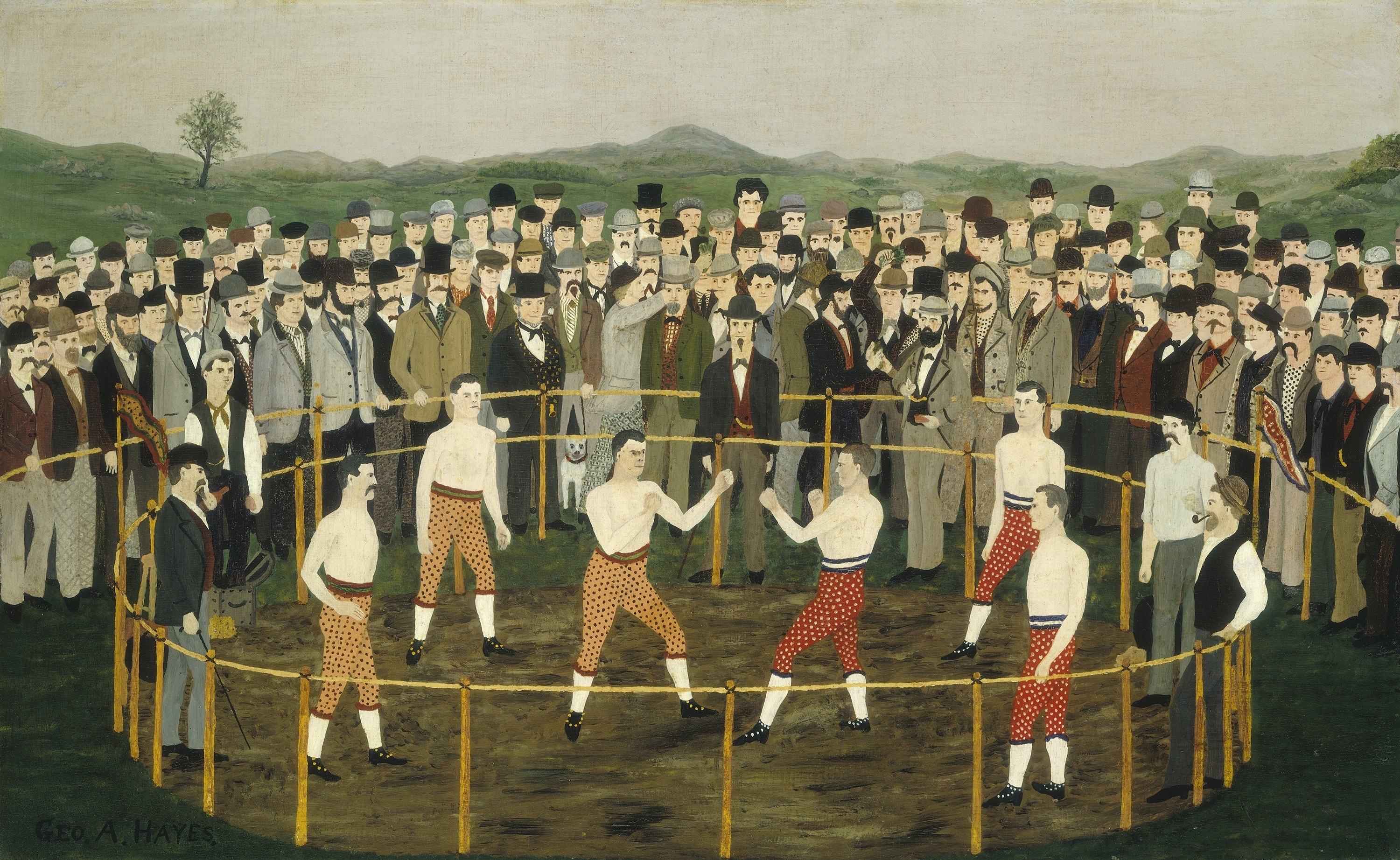
To many, these were the ideals—what “real men” looked like. According to Mark Twain in Life on the Mississippi, “In that old, vanished America…it was our daily custom to strut, and swell, and swagger around, hands under coat-tails, hats tilted over left-eye, spoiling for a fight—numerical strength of the enemy, matter of no consequence.”
One prime example was Seargent Prentiss (it’s his first name, not his rank), born in Maine before he moved to Natchez, Mississippi. He was described by contemporary lawyer and writer Joseph G. Baldwin as an orator who spoke with “a manliness of tone”. He was “uncommonly athletic and muscular; his arms and chest well-formed…his head large, and a model of classical proportions.” Baldwin claimed the man’s personality was magnificent. To know him was to love him.
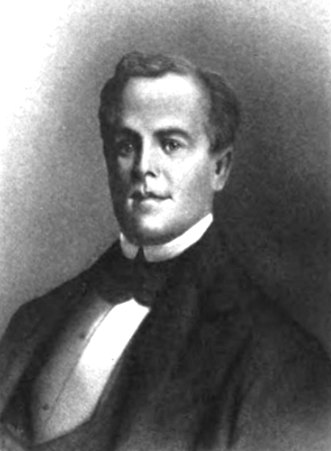
Prentiss could lose thousands on the turn of a card with good humor, cheerfully take a break from the gaming table to fight a duel, and “when he treated, it was a mass entertainment.”
Having been elected to Congress, he dealt with an election dispute by orating on the floor for three days. Daniel Webster claimed he’d never beheld a more powerful speaker.
Yet, Prentiss died at age forty-two, likely from his unruly lifestyle.
Today, we might see this behavior as “boys will be boys” frat-type of conduct. Bothersome, at times, but mostly harmless. A deeper look uncovers a dark side.
The pranks these hooligans played were a bit more than toilet paper and shaving cream. While some were as mild as pouring water over another’s head or placing a wagon on the barn roof, our modern sensibilities wonder how others were ever considered funny.
One group put a bucket over the door of a man they found annoying. Instead of water, tinware, a shovel, fireplace tongs, and other metal objects rained on the victim’s head when he exited his room.
Another put lime in the eyes of a baboon owned by the tavernkeeper and laughed at the intense burning. “In his fit he danced about like though he was mad,” the prankster wrote.
Kerosene was poured on the feet of a drunk lawyer, then set on fire. Cruelties were performed on animals “for a piece of sport.”
Once such behavior was on the wane (for various reasons), nostalgic magazines and books published stories of the “good ol’ days” of Jolly Fellowism.
According to Richard Stott in Jolly Fellows: Male Milieus in Nineteenth-Century America, “Violence is humor, tragedy is comedy. There is a relish in the dismemberment of bodies, dead and alive, human and animal. Stories recount the torment of women, Irishmen, and blacks under the guise of medical treatment. In ‘Cupping an Irishman,’ burning alcohol is poured over the patient.” Worse examples abound which I’ll not include.
Today, those who find an appetite for such things—real or in literature—cause concern. We’re sure they need psychological interventions of one sort or another. But this was a common source of entertainment for early Americans.
I’m betting I’m not alone in daydreaming about time travel to the past. Some periods seem romantic, exciting, or simpler. Perhaps, less hectic and stressful. But scratch the surface. In too many ways, the “good ol’ days” were pretty damned bad.
[NOTE: To read more about how horrific the good ol’ days could be, check out these medical practices in the Middle Ages at https://mbgibsonbooks.wordpress.com/2015/08/01/seven-reasons-not-to-time-travel-to-the-middle-ages/.%5D
RESOURCES
Crain, C. (n.d.). Beer Buddies. Bookforum. Retrieved March 27, 2023, from https://www.bookforum.com/print/1605/jokes-pokes-and-blokes-jolly-fellows-had-fun-the-old-fashioned-bare-knuckled-way-5010
Stott, R. (2009). Jolly Fellows: Male Milieus in Nineteenth-Century America (1st ed.). The Johns Hopkins University Press.
 M.B. Gibson Books
Leave a comment