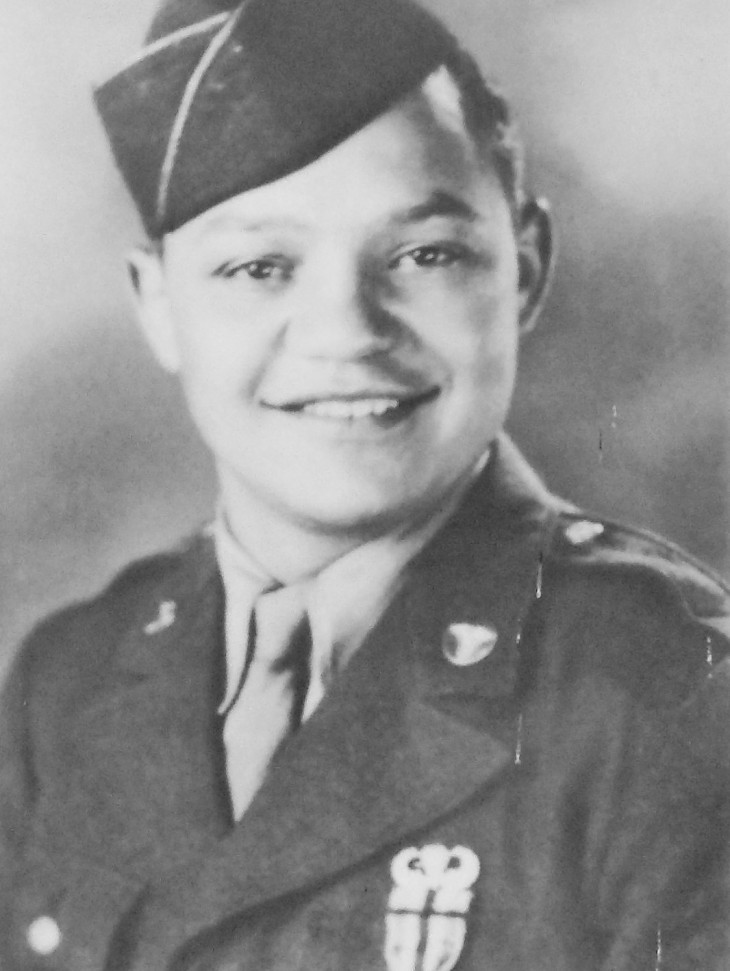
Learning the story of D-Day and the Normandy invasion is as chaotic and complex as the event itself. It’s made my head spin. The only way to tackle it is in little bites, individual stories of regular people transformed into amazing examples of humanity.
An 11th-century church in the tiny village of Argoville-au-Plain tells one such story.
In the darkness of June 5 and 6th of 1944, paratroopers dropped behind Utah Beach with the goal of destroying a road to Paris considered critical for the German army. An intense battle ensued. Two young medics chose the church with its thick walls and wooden pews as the best spot to tend the wounded. Some had been hurt from the drop itself. Others, in battle. Requiring all weapons to remain outside, they nailed a red cross flag to the door.

Twenty-year-old Robert E. Wright and nineteen-year-old stretcher bearer Kenneth J. Moore dodged bullets across the battlefield, retrieving the injured. Before long, the church held seventy-five to eighty wounded, including a child.
“Our training and our job essentially was to stop the bleeding,” Moore said later, “and administer morphine for pain and bandage up the casualties as best we could.”

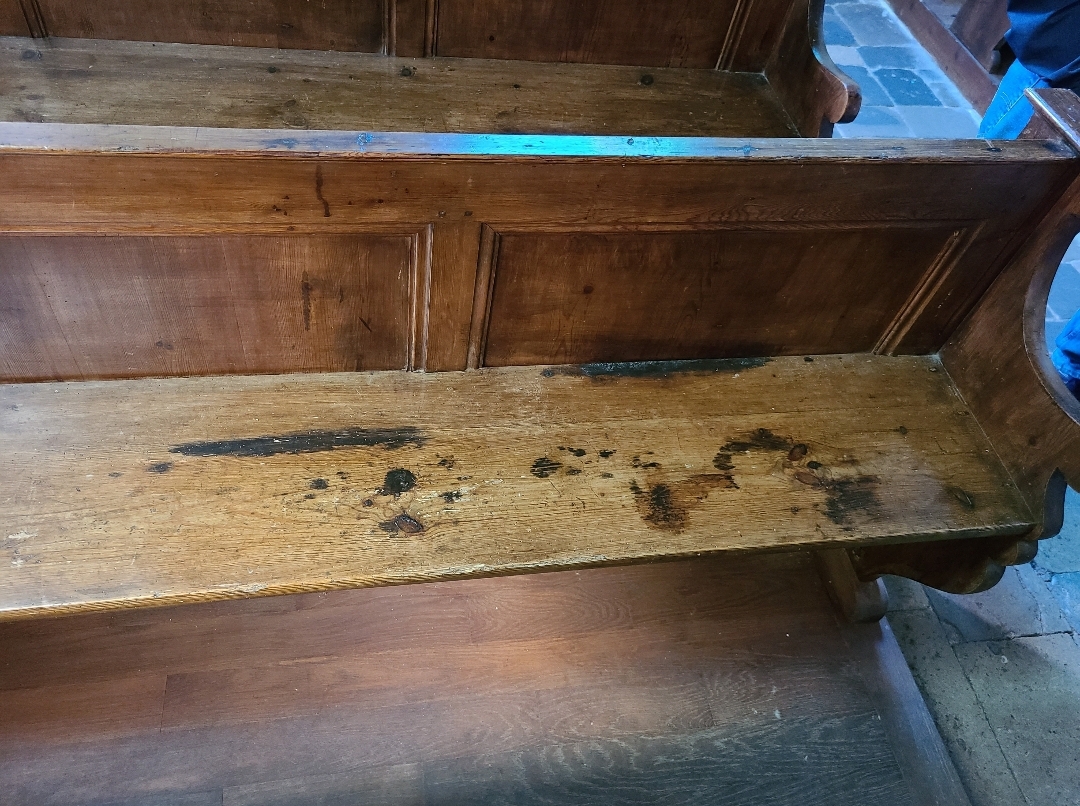
At one point, the church suffered a German mortar attack. A large chunk of plaster dropped onto Moore’s head, cutting him. He bandaged himself and continued his work. A second mortar crashed through the ceiling and fell to the floor, smashing a tile. Everyone held their breath. Miraculously, it was a dud. The damage to the ceiling and floor is still visible today. Blood stains remain on the pews.
The Germans made gains and pushed the Americans out of the village. Wright and Moore remained, surrounded by the enemy. The two medics kept the double front doors closed, using a side door to bring in casualties.
At one point, the double doors flew open, exposing the silhouette of a German wielding a machine gun. His mindset was clear. Kill the enemy. Bob Wright told of the silence inside, everyone frozen in fear.
Apparently realizing the church was filled with unarmed wounded, the German’s shoulders dropped. He made the sign of the cross and backed away. Nodding to Bob, he closed the doors.
A future ceremony of remembrance was attended by the assistant machine gunner who’d been behind that German. He to meet Bob Wright, also there. Asked what became of the man who’d spared their lives, the assistant said he’d been killed in battle a few days later.
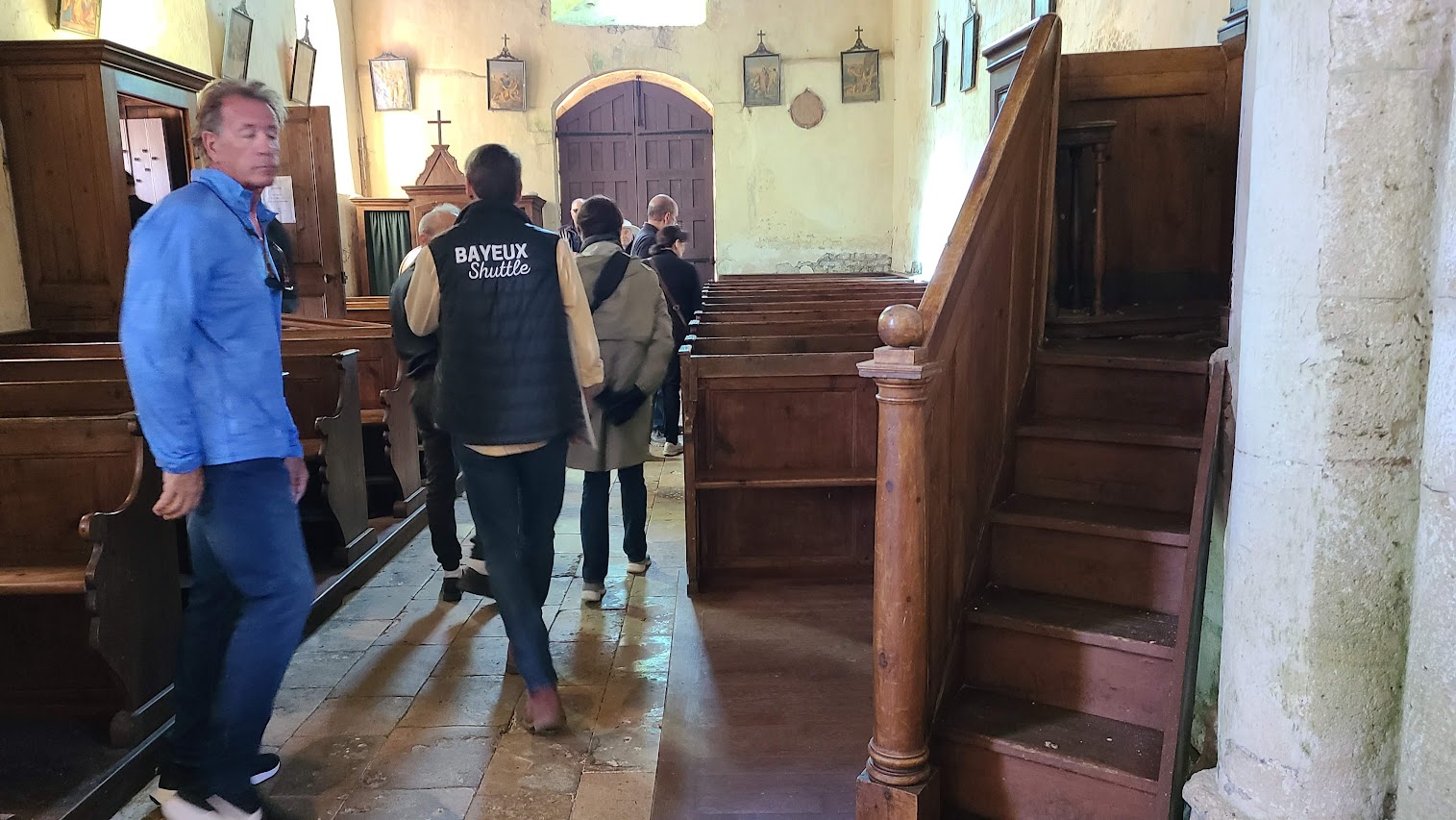

Soon after, the American medics included wounded Germans in their mission. They were shocked on the second day when two Germans came down from where they’d been hiding in the church tower and surrendered.
The armies traded control of the small town for three days until the Germans left and the Americans set up headquarters there. The medics finally rested. While I and many others never knew this story, the people of Normandy don’t forget. A small park holds a monument dedicated to Wright and Moore with the inscription:

“In honour and in recognition of Robert E. Wright, Kenneth J. Moore. Medics 2nd Bn 501 PIR 101st Airborne Division. For humane and lifesaving care rendered to 80 combatants and a child in this church in June 1944.”
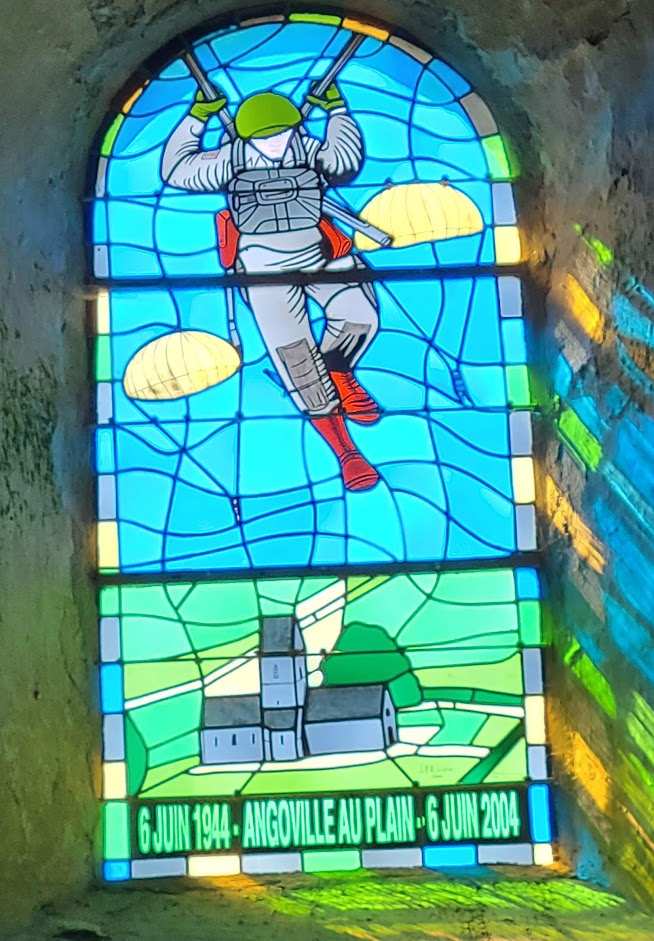
Within the church, windows destroyed in the battle have been replaced by stained glass tributes to the paratroopers and the medics who saved so many lives.
Toward the end of his own life, Robert Wright requested that some of his ashes be buried in the graveyard where he served so many years before. Today, they lie beneath a plaque bearing his initials, R.E.W. I cannot verify this, but I read ashes cannot legally be taken into France and his stone must remain so until special dispensation is given.
Wright and Moore were ordinary young men, not even old enough to vote, who became heroes to the eighty patients they tended and many others. Myself included.
RESOURCES:
Two Medics of Normandy; The Church of Angoville au Plain. (2022). History Underground. Retrieved June 27, 2023, from https://www.youtube.com/watch?v=5dTEWmMNGic.
Woodage, P. (2013). Angels of Mercy. CreateSpace Independent Publishing Platform.
The scars of Angoville-au-Plain. Normandy Then and Now. (2018, July 10). https://www.normandythenandnow.com/the-scars-of-angoville-au-plain/
Wright; Robert E. (n.d.). https://www.uswarmemorials.org/html/people_details.php?PeopleID=25872
Los Angeles Times. (2014, December 25). Ken Moore dies at 90; Medic cared for U.S., German troops on D-Day. Los Angeles Times. https://www.latimes.com/local/obituaries/la-me-ken-moore-20141225-story.html
 M.B. Gibson Books
Leave a comment