Diagnosis: Dysaethesia Aethiopica, also known as “rascality”
Symptoms: Partial insensibility of the skin; dull intelligence; physical lesions; laziness
Condition: Found only in those of African ancestry
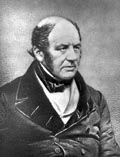
A prominent physician and medical scientist, Dr. Samuel Adolphus Cartwright, used his pea brain to identify this supposed ailment in the 1850s. He was called a national expert in Negro diseases. Once the Civil War started, he was even asked by President Jefferson Davis to serve as surgeon general of the Confederacy’s Department of the West. Clearly, his words carried weight in the Antebellum South.
Dr. Cartwright believed if black or mixed people were well-treated, they thrived under their “natural condition” of serving the white man. He proclaimed, “…there is no office which the negro or mulatto covets more than being a body servant to a real gentleman.” (Hmm. I have serious questions about this.)
Only two things would cause the above illness in the enslaved, according to Cartwright. One is cruelty by neglecting the servant’s needs or ignoring any concerns he has. He wrote, “Impartiality in every particular, down to a hat or a pair of shoes, is what they all regard as one of their dearest rights.” (More dear than freedom?)
The other is by treating the worker as a peer. “He [the owner] must treat them as inferiors, not as equals, as they are not satisfied with equality.” This would oppose God’s will which demands those of African descent to fulfill their purpose as “submissive knee-benders”.
Yup. He said that.
Either of these practices could provoke dysae—, uh, laziness.
The cure? As a means of stimulating the skin, Dr. Cartwright prescribed washing the “patient” with warm water and soap. Smear the body with oil, he said, then slap it in with a leather strap. Follow up with hard work in the sun.
Sounds an awful lot like an old-fashioned back-ripping flogging.
Another of Dr. Cartwright’s contributions to medical science was a different affliction of his own invention, drapetomania. This “sickness” caused the enslaved to run away.
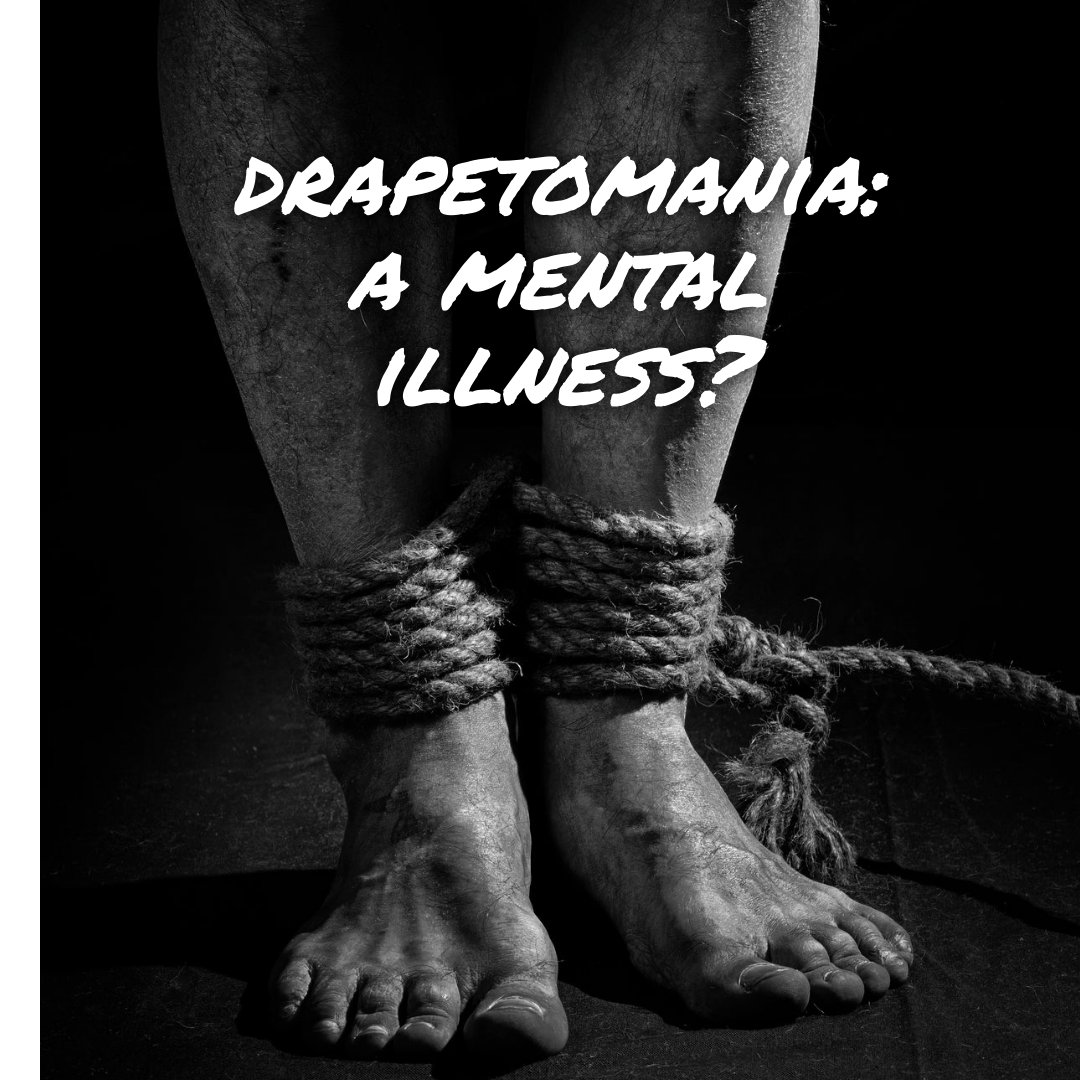
That’s right. He called escaping a form of mental illness.
Dr. Cartwright was sure that if a master treated his property without abuse, but maintained their inferior position, the worker would be “spell-bound” and could not run away. He claimed the state of genu flexit, awe and reverence for owners, would tie the people to their God-ordained fate.
If the master did all he could, but the bondservant was still sulky and dissatisfied, it was best to “whip the devil out of him”. That’s some hard science there.
So, what of the free black people in the North and the South?
Dr. Cartwright claimed the diseases thrived among the free. In fact, much more so than the enslaved who had white men to care for them. He scolded Northern doctors for blaming the debasing system of slavery for any suffering they encountered in black people. He declared, “The disease is the natural offspring of negro liberty–the liberty to be idle, to wallow in filth, and to indulge in improper food and drinks.”
When solving a mystery, a detective must beware of deciding the outcome of an investigation and then focusing only on evidence to prove his assumption.
For Dr. Cartwright, this pitfall was a tumble into the Grand Canyon. He was an adamant proponent of slavery and the inherent inferiority of those of African descent. He loved to quote Bible verses to back himself up. (Far too common among fanatics) He published more than eighty medical articles, elevating him to one of the nation’s top doctors, and was considered “the greatest medical mind in the Old Southwest”.
Yet, he created illnesses to validate his warped beliefs about black people, gave them Latin names designed to impress, and set a tone for untenable medical treatment of African Americans–even such experimentation that brings Josef Mengele to mind. I daresay remnants of these attitudes exist today.
A warning for us: We’re not immune. People cling to fallacies they yearn to believe.

Works Cited
Cartwright, Dr. “Dr. Cartwright on the Caucasians and the Africans [Volume 25, Issue 1, Jul 1858; Pp. 45-56].” Debow’s Review, Agricultural, Commercial, Industrial Progress and Resources., vol. 25, no. 1, July 1858, quod.lib.umich.edu/m/moajrnl/acg1336.1-25.001/53. Accessed 30 Dec. 2023.
Cartwright, Samuel. “Africans in America/Part 4/“Diseases and Peculiarities.”” Pbs.org, 2019, http://www.pbs.org/wgbh/aia/part4/4h3106t.html. Accessed 29 Dec. 2023.
“Dr Samuel Adolphus Cartwright (1793-1863) – Find A…” Www.findagrave.com, http://www.findagrave.com/memorial/28860809/samuel-adolphus-cartwright. Accessed 30 Dec. 2023.
“Dysaesthesia Aethiopica.” Wikipedia, 20 May 2023, en.wikipedia.org/wiki/Dysaesthesia_aethiopica#cite_note-Caplan37-6. Accessed 30 Dec. 2023.
r2WPadmin. “Cartwright, Samuel Adolphus.” Mississippi Encyclopedia, mississippiencyclopedia.org/entries/samuel-adolphus-cartwright/.
Wikipedia Contributors. “Samuel A. Cartwright.” Wikipedia, Wikimedia Foundation, 29 Sept. 2019, en.wikipedia.org/wiki/Samuel_A._Cartwright. Accessed 29 Dec. 2023.


Leave a Reply